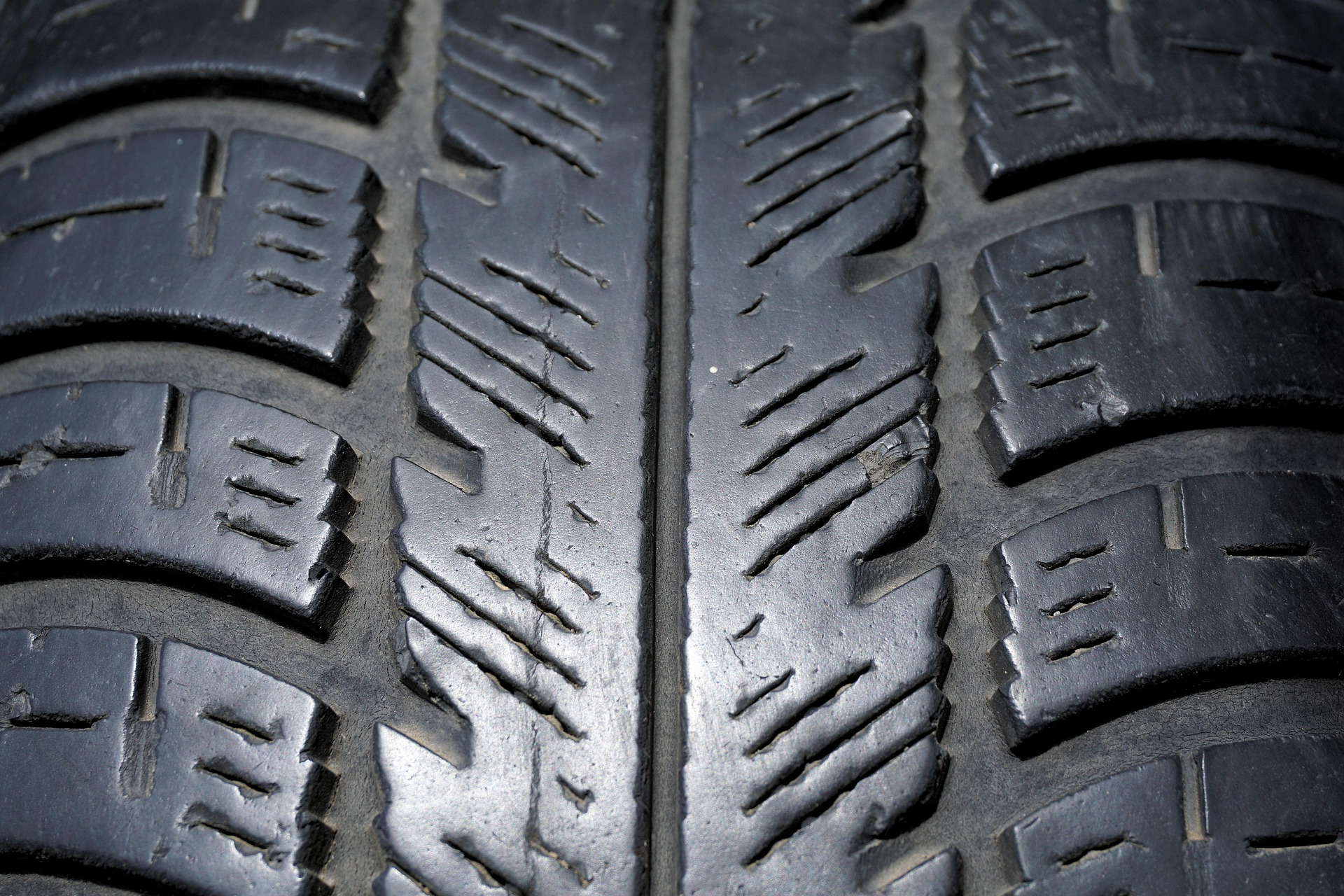

Summer in New Zealand means road trips, beach escapes, and exploring the countryside. Before you hit the road, it’s essential to make sure your tyres are ready for the journey. High temperatures and long drives can put extra stress on your tyres, so a thorough check is key to staying safe and enjoying your holiday.
1. Check Your Tread Depth
Tread depth is especially important during the summer months, when hot roads, sudden rain showers, and long drives can really put your tyres to the test. Adequate tread helps your car grip the road, stop quickly, and stay stable, even on wet or sun-baked surfaces. Here are some ways to check your tread depth:
- 20 cent coin check: Place a 20 cent coin into the main grooves of the tyre with the “20” facing you. If the full “20” is visible above the tread, your tread is getting low (around 2mm or less) and it’s time to plan for replacement.
- Tread depth gauge: For a more accurate reading, use a tread depth gauge. Insert the probe into the groove, keep the tool upright, and note the measurement. If you’re close to or below 1.5mm in any area, the tyre should be replaced.
- Tread wear indicators: Most modern tyres have small raised bars moulded into the grooves. When the surrounding tread wears down to the same level as these bars, the tyre has reached its wear limit and needs replacing.
2. Inspect Tyre Pressure
Correct tyre pressure is one of the simplest ways to improve safety, tyre life, and fuel efficiency on summer road trips. Underinflated tyres can overheat in summer heat, while overinflated ones can wear in the centre and feel harsh on rough Kiwi roads.
- Find the recommended pressure: This is usually on a sticker inside the driver’s door, inside the fuel flap, or in the owner’s manual. It may list different pressures for front and rear tyres, and for light or heavy loads.
- Check tyres when they are cold: Tyre pressure should be checked when the tyres are cold (parked for a few hours and driven only a short distance). Driving heats up the air inside the tyres and can give a misleading reading.
- Use a reliable gauge: A good quality digital tyre gauge is usually more accurate than many service station gauges. If you use a service station inflator, double check with your own gauge if you have one.
- Adjust for heavy loads: If your manual lists a higher pressure for full loads, extra passengers, or towing, pump your tyres up to those recommendations before your summer trip. This helps your tyres cope with the extra weight and can reduce uneven wear.
- Check more often in summer: High temperatures and long drives can cause pressure changes, so check your tyres more frequently during the summer months and before long road trips.
3. Look for Visible Damage and Signs of Wear
A quick visual inspection can pick up issues before they turn into a bigger problem on the open road. Walk around your vehicle and check each tyre for:
- Cracks or cuts in the tread or sidewalls
- Bulges or bubbles on the sidewall (which can indicate internal damage)
- Embedded objects such as nails, screws, or stones that may be causing a slow leak
- Uneven wear patterns, for example one shoulder wearing faster than the other, or flat spots
Don’t forget to look closely at the sidewalls and around the valve stems as well. Damage here is quite serious, as it can weaken the structure of the tyre. If you notice any deep cracks, bulges, or exposed cords, the tyre should be replaced rather than repaired.
Spotting these signs of wear early means you can sort them out before they affect your safety or cut short your holiday.
4. Check Wheel Alignment and Balancing
If your wheel alignment or balance is off, you can end up with annoying vibrations, uneven wear, and poorer fuel efficiency, especially noticeable on long drives.
Common signs of poor alignment include:
- The car pulling to one side when you’re driving on a straight, flat road
- A crooked steering wheel even when travelling straight
- Uneven or rapid tread wear on one side of the tyre
- A “scrubbing” or feathered look on the tread blocks
Wheel balancing issues often show up as vibrations through the steering wheel or seat at certain speeds.
Before you head off for a long summer road trip, it’s a good idea to have your alignment and balance checked by a professional, particularly if you’ve hit potholes or kerbs recently, or noticed uneven wear.
5. Don’t Forget the Spare Tyre
When you’re planning for holiday road trips, your spare tyre is easy to overlook, but it’s a key part of any maintenance checklist. Take a few minutes to:
- Check the spare’s pressure: A spare tyre that has been sitting unused for years can slowly lose air. Inflate it to the pressure recommended for the spare, which may be listed separately in the vehicle manual or placard.
- Inspect its condition: Make sure there are no cracks, splits, or other signs of ageing. Even if a spare has never been used, rubber can harden and deteriorate over time.
- Confirm you have the right tools: Ensure the jack, wheel brace, and any locking wheel nut key are in the car and easy to reach. For extra peace of mind, consider carrying a portable inflator or tyre sealant kit as a backup.
6. Factor in Summer Heat on Long Drives
New Zealand’s summer heat can be tough on tyres, especially during long journeys with a full car. High temperatures, hot road surfaces, and heavy loads all increase the stress on your tyres, making it even more important to stay vigilant.
- Check your tyre pressure more often during hot weather, as heat can cause pressure to rise or fall unexpectedly.
- Take regular breaks on long drives to let your tyres cool down, especially if you’re travelling during the hottest part of the day.
- Avoid overloading your vehicle as extra weight puts more strain on your tyres and can lead to overheating or premature wear.
- If you notice your tyres looking softer or more worn after a trip, give them a closer inspection before your next drive.
A little extra care during the summer months helps prevent unexpected issues and keeps your road trip safe and enjoyable.
7. MaintainProper Tyre Care Habits
Good tyre care isn’t just for before a road trip, it’s a habit that helps keep you safe and saves money all year. By checking your tyres regularly, you’ll catch issues early and get the best performance from every set.
- Rotate your tyres regularly to promote even wear and extend their life.
- Check tread depth and pressure monthly, not just before holidays.
- After long trips, inspect for new damage or embedded objects.
- If you notice changes in handling or fuel efficiency, get your tyres checked by a professional.
A little ongoing attention goes a long way to keeping your summer journeys smooth and safe.
Ready to hit the road?
Taking a few minutes to check your tread depth, tyre pressure, visible damage, wheel alignment, and spare tyre can make a big difference to how safe and comfortable your summer road trips are. With a simple maintenance checklist and a bit of preparation, you can help keep your vehicle safe on the roads, protect your tyres from premature tread wear, and enjoy better fuel efficiency throughout the summer season.
Happy Motoring!