If your car only gets used for short trips, weekends, or the occasional errand, it’s easy to assume your tyres are in good condition. After all, if the tread still looks healthy, what could be wrong? The reality is that tyres do not only wear out through driving. They also age over time. Even if your vehicle spends most of its life parked, the rubber can gradually deteriorate, affecting grip, handling, and overall performance.
For low-mileage drivers, tyre age can become just as important as tread depth, and it can have a major impact on overall tyre lifespan for any car tyre.
This is particularly relevant for:
- Second vehicles used occasionally
- Retirees and low-mileage drivers
- City cars used mainly for short trips
- Weekend vehicles that spend long periods parked
Do Tyres Age Even When The Car Is Barely Driven?
Yes. Tyres are made from rubber compounds designed to remain flexible and grip the road. Over time, those compounds naturally change. As tyres age, the rubber can harden and lose flexibility, which may reduce traction and affect braking and handling performance. Several factors can accelerate tyre ageing, including:
- Sunlight and UV exposure
- Heat and temperature fluctuations
- Long periods parked outdoors
- General exposure to air and environmental conditions
Because these changes happen gradually, ageing is not always obvious. A tyre can still appear to have plenty of tread while the rubber itself is no longer performing as intended.
Why Can Low-mileage Tyres Be A Hidden Risk?
Low mileage is often viewed as a positive, but it can sometimes hide tyre ageing issues. When tyres wear slowly, drivers may rely on tread depth as the main indicator of condition. The problem is that tread depth only tells part of the story. Low-mileage vehicles are also more likely to:
- Go longer between tyre inspections
- Spend extended periods parked outdoors
- Have tyres that look relatively new despite their age
- Develop subtle cracking that goes unnoticed
It’s also easier to miss basic maintenance issues on cars that sit. For example, slow leaks can reduce tyre pressure over time, and under-inflated tyres can increase tyre wear even if you are only doing short trips. If you notice uneven wear, it may point to wheel alignment issues. As a result, the age of a tyre can become the limiting factor long before tread wear becomes an issue.
What Does Tyre Ageing Look Like?
Tyre ageing does not always produce obvious warning signs, especially in its early stages. Common signs to look for include:
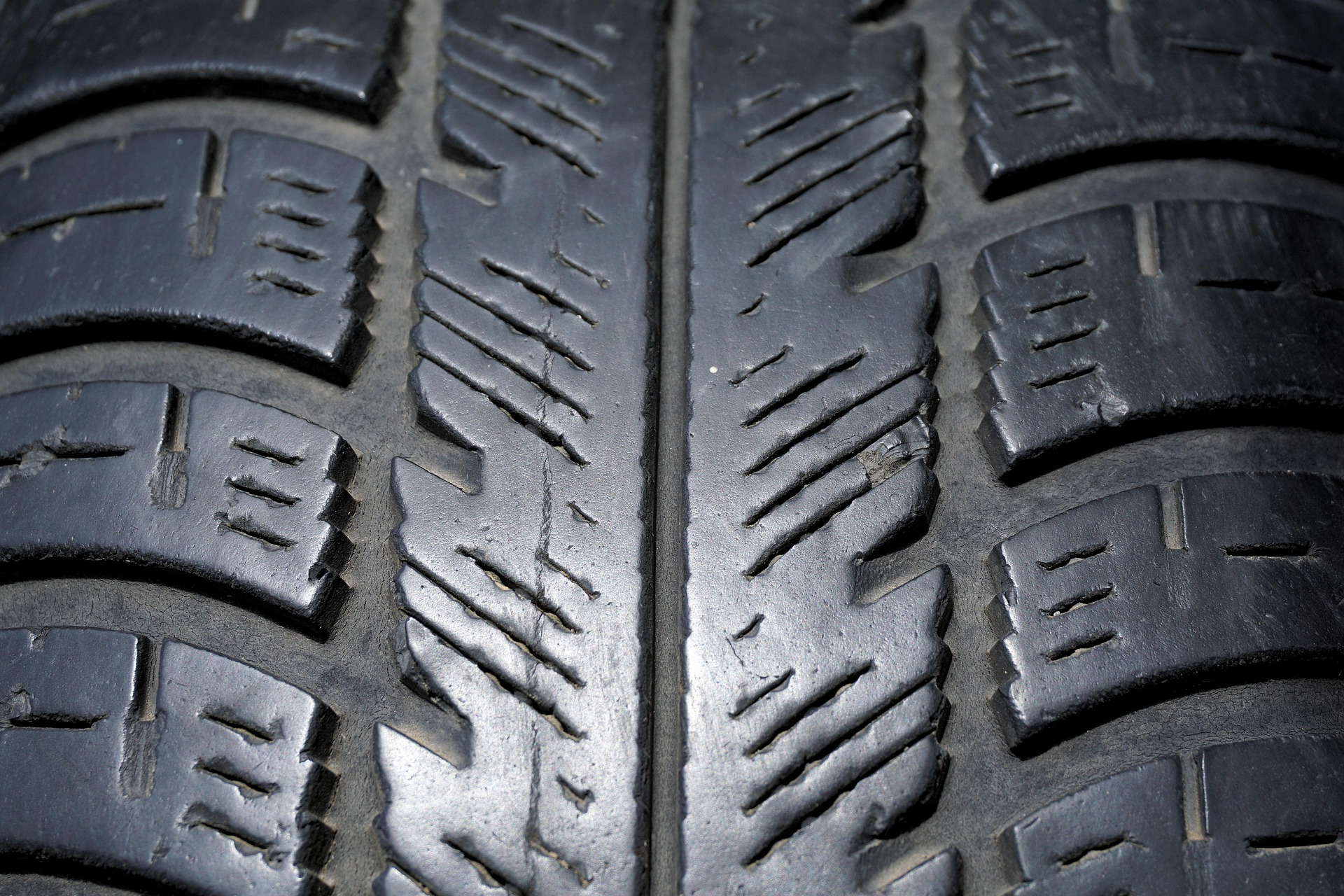
- Fine cracks on the tyre sidewall
- Cracking within tread grooves
- Dry, faded, or brittle-looking rubber
- Bulges or deformities on the sidewall
Regular visual inspections can help identify ageing before it becomes a more serious issue. If you notice significant cracking, bulges, or any damage you’re unsure about, have the tyre inspected by a professional as soon as possible.
How Do You Find A Tyre’s Date Code?
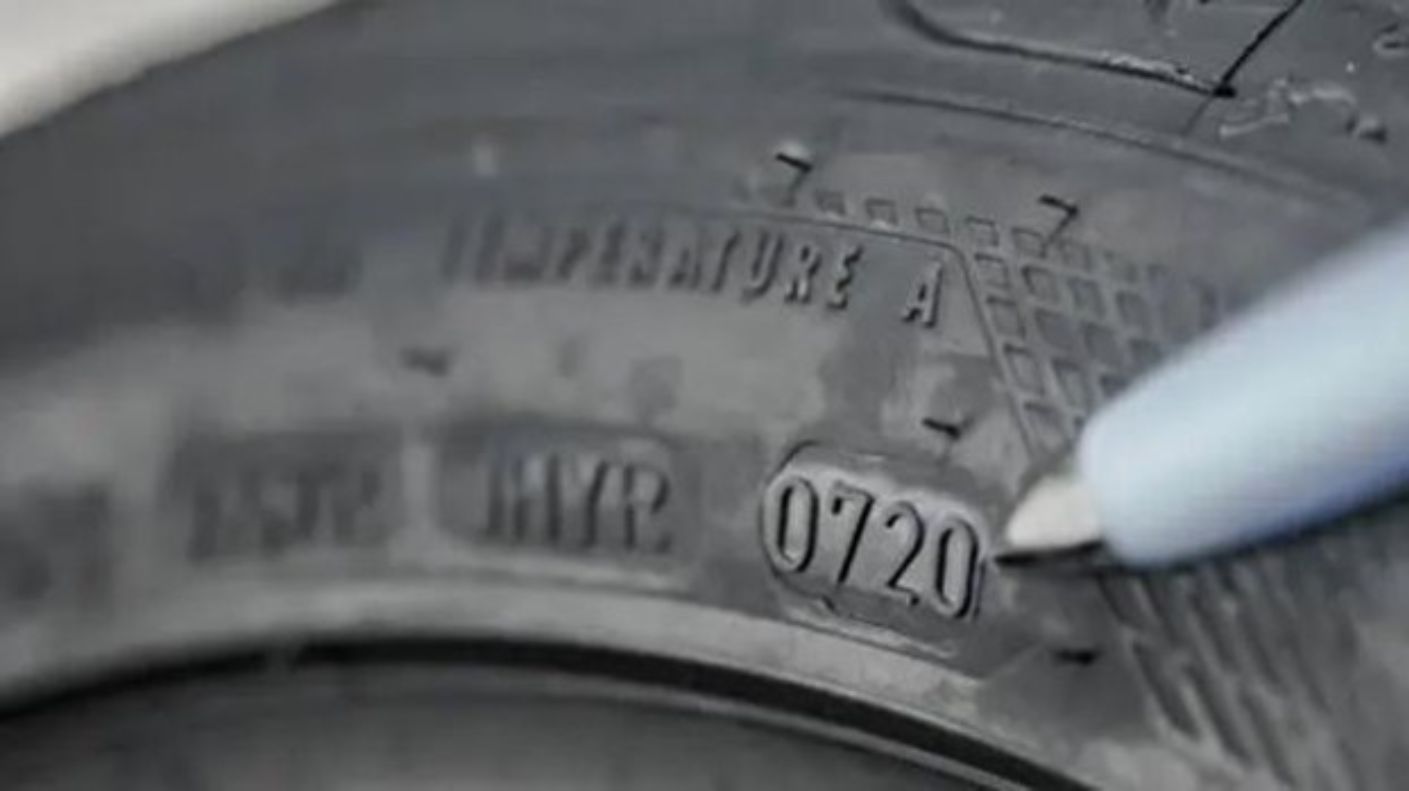
One of the easiest ways to assess the age of a tyre is to check the manufacturing date. Look along the tyre sidewall for the tyre identification markings. Most tyres include a four-digit date code at the end of the sequence.
The first two digits indicate the week of manufacture, while the last two digits indicate the year. For example, a code ending in 0720 generally means the tyre was made in the 7th week of 2020.
When checking your tyres, inspect all four tyres individually. Vehicles often have tyres fitted at different times, meaning their ages may vary. Don’t forget to check the spare tyre as well. In many cases, the spare can be considerably older than the tyres currently fitted to the vehicle.
How Long Do Tyres Last?
Tyre lifespan varies depending on driving habits, storage conditions, maintenance, and environmental exposure. For low-mileage drivers, age often becomes the key factor. Your driving style also matters. Frequent heavy braking and cornering, and high speeds, can increase heat and accelerate wear even if total kilometres are low. As a general guide:
- Many standard car tyres are replaced within 3 to 5 years, depending on usage and conditions
- Once tyres reach around 5 years of age, regular inspections become increasingly important
- By 10 years from the manufacturing date, tyres are generally considered too old for continued service, regardless of remaining tread depth
The exact replacement timing will vary, but tyre age should always be considered alongside tread wear and overall condition.
If The Tread Looks Good, Why Might the Tyre Still Be Unsafe?
Tread depth is important, but it is not the only measure of tyre condition. A tyre can retain plenty of tread while the rubber gradually hardens with age. As flexibility decreases, so can grip, particularly in wet conditions or emergency braking situations. A simple way to think about it is:
- Tyre wear is caused by driving and mileage.
- Tyre ageing happens over time, whether you drive frequently or not.
Both can affect performance, safety, and replacement timing.
How Can You Slow Down Tyre Ageing on a Car That Sits for Long Periods?
While tyre ageing cannot be stopped entirely, there are steps you can take to reduce some of the factors that accelerate it. Consider:
- Parking in a garage or shaded area where possible
- Inspecting tyres regularly for signs of cracking or deterioration
- Checking tyre pressure regularly so your tyres stay correctly inflated
- Driving the vehicle often enough to monitor changes in handling and ride quality
- Avoiding harsh chemicals and using gentle cleaning methods
These simple habits can help extend tyre life and make it easier to spot potential issues early.
Should You Replace Old Tyres Even If They Still Have Tread?
If you’re a low-mileage driver, tyre age deserves just as much attention as tread depth. A good habit is to:
- Check the manufacturing date on each tyre
- Inspect sidewalls and tread grooves for cracking or deterioration
- Arrange a professional inspection if you’re unsure about their condition
- Consider replacing tyres if they are showing signs of ageing or are approaching the end of their service life
Low kilometres do not automatically mean low risk. Tyres can spend years looking serviceable while the rubber gradually deteriorates. A quick date-code check today could reveal that your tyres are much older than you realise.
If your tyres are showing signs of age, browse our wide range of tyres to find the right fit for your vehicle.
Happy Motoring!