Did you know some Tesla tyres have acoustic foam built inside them to reduce road noise? That’s how purpose-built EV tyres have become. So when we hear EV owners say: “My car doesn’t have a spare wheel, so it must need run-flat tyres,” it’s worth setting the record straight.
Most EV manufacturers don’t fit run-flat tyres as standard, and that’s a deliberate choice.
What tyres do electric vehicles actually come with?
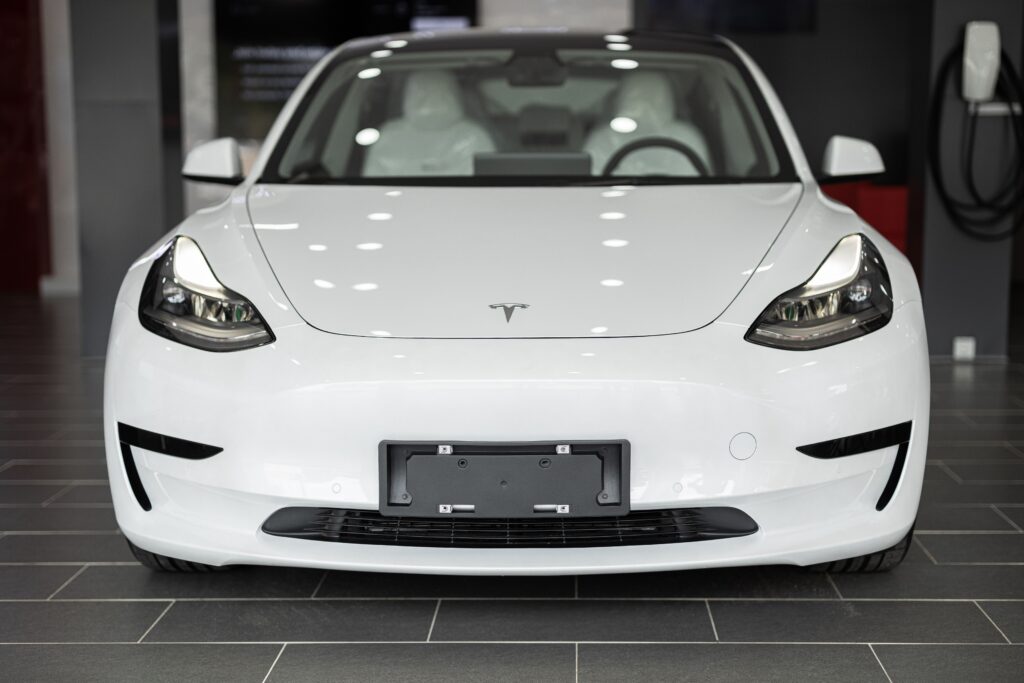
Brands like Tesla, BYD, Hyundai, Kia, Polestar and MG all use conventional tyres specifically developed for electric vehicles. These aren’t standard all-rounders. They’re engineered to handle the unique demands of an EV: the extra weight, the instant torque, and the need for maximum efficiency from every charge.
Why have EV manufacturers moved away from run-flat tyres?
It comes down to efficiency.
Run-flat tyres are heavier and have higher rolling resistance, which means the motor works harder to keep you moving. That translates directly into reduced driving range, and range is everything on battery power. Manufacturers are doing everything they can to maximise distance per charge, and fitting run-flats works against that.
Run-flats also create a firmer, noisier ride. EVs are designed to feel smooth and quiet, so a harder tyre simply doesn’t match the driving experience these cars are built to deliver. Then there’s cost. Run-flat tyres are more expensive to replace and often can’t be repaired after a puncture, so you’re paying a premium for a tyre that may still need a full replacement when something goes wrong.
But what happens if you get a puncture?
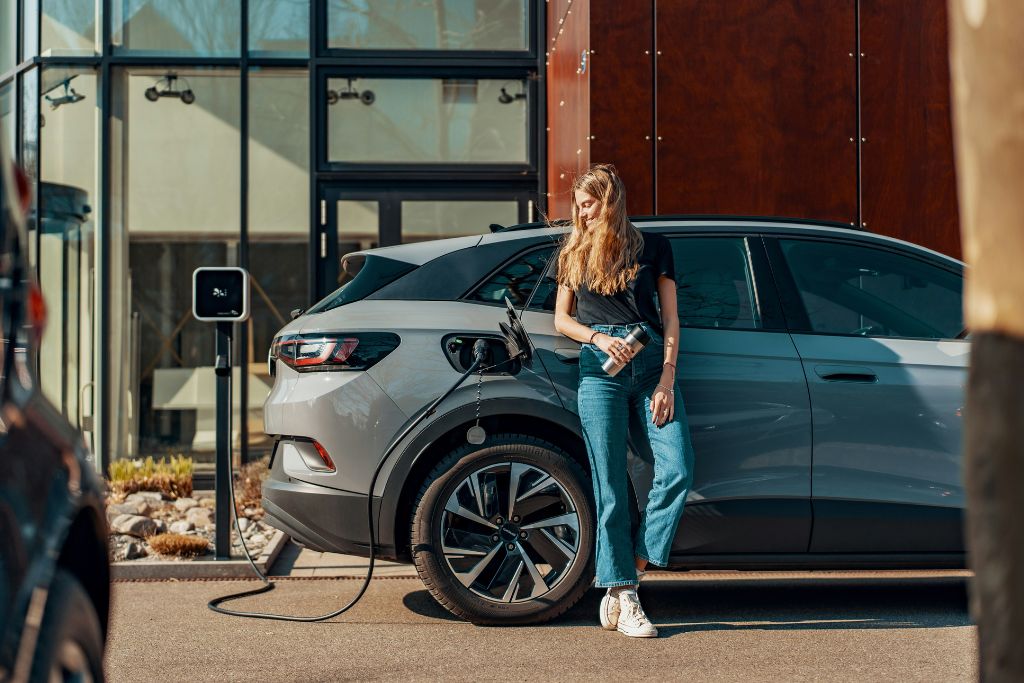
This is the real concern behind the run-flat question. Without a spare, what do you do? Most EVs come equipped with a tyre repair kit (sealant and an inflator) that handles minor punctures roadside. Many manufacturers also include roadside assistance coverage.
What should you look for when replacing EV tyres?
When it’s time for new tyres, there’s more to consider than size:
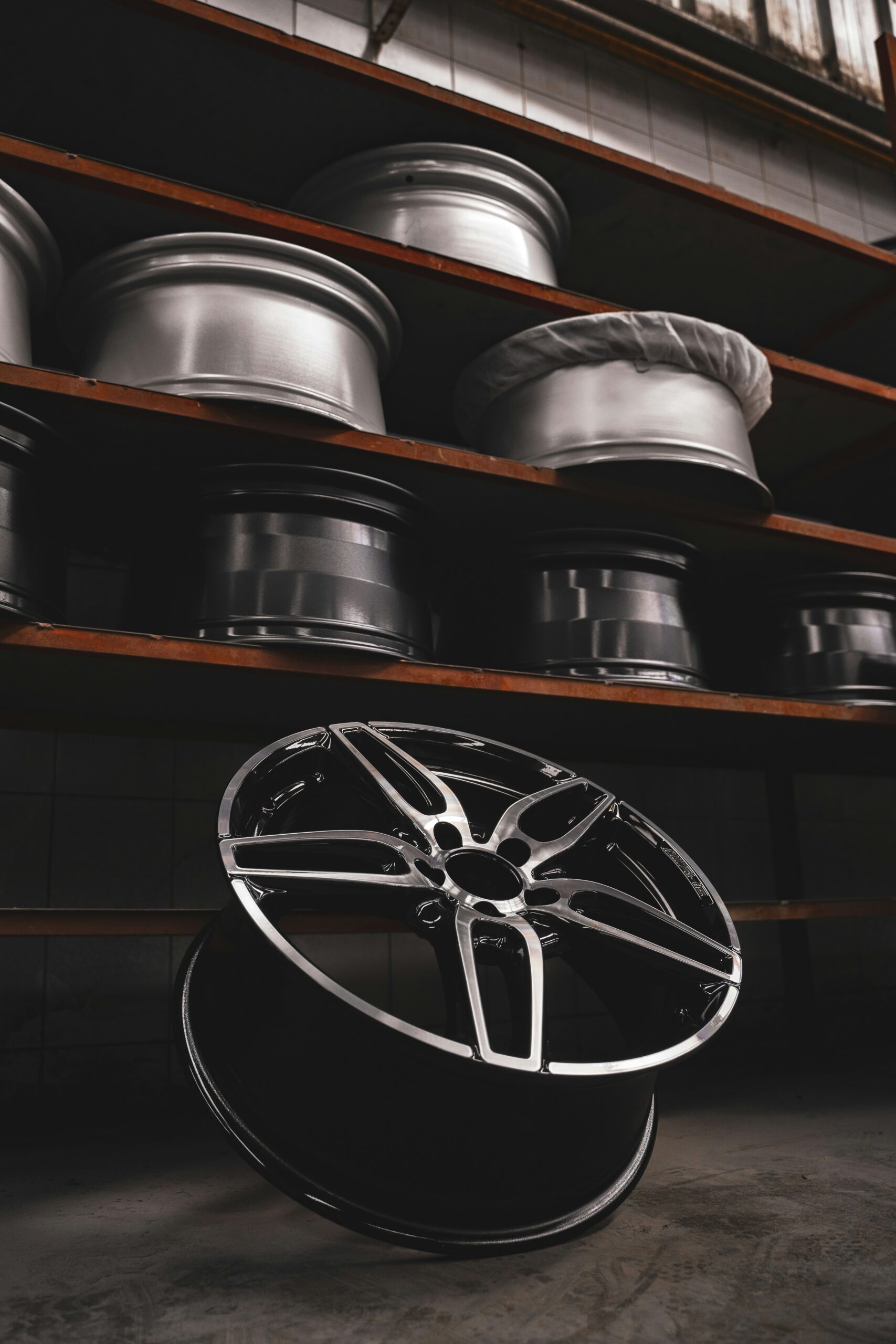
- Load rating: EVs are significantly heavier than petrol vehicles due to the battery pack. Your tyres need to be rated to carry that weight safely.
- Low rolling resistance: one of the easiest ways to protect your range without changing your driving habits.
- Wet weather performance: just as critical on an EV as any other car, especially in New Zealand where rain is never far away.
- Noise levels: because EVs are so quiet, tyre noise becomes much more noticeable. A tyre designed with noise reduction in mind makes a real difference to comfort.
Best tyres for electric vehicles
Not all EV tyres are created equal. The Kumho ECSTA PS71 EV is a strong performer for drivers who want grip and efficiency in one package. The Hankook iON Evo is built specifically for EVs with a focus on low rolling resistance and reduced noise. We also carry original equipment replacement tyres for Tesla and other EV brands if you want a like-for-like swap.
Can you use any tyre on an EV?
A standard tyre might physically fit, but it won’t necessarily handle the extra weight, instant torque, or efficiency demands of an electric drivetrain. Choosing a tyre designed for those factors results in better range, improved handling and longer tyre life. The right choice upfront saves you money down the road.
Find the right tyres for your EV
Browse our wide range of tyres to find the right fit for your vehicle, your driving style and your budget.