Have you ever noticed your car pulling to one side? If so, it could be a sign of alignment issues that not only impact your vehicle’s performance but also compromise its safety. That’s why it is important to understand wheel alignment, and in this guide, we’ll cover everything you need to know.
What is Wheel Alignment?
Wheel alignment is an adjustment made to the suspension components that connect the wheels to the vehicle’s frame. The purpose of wheel alignment is to ensure that your vehicle drives straight, which can lead to better handling, improved safety, and extended lifespan of your tyres.
What Does Wheel Alignment Do?
Wheel alignment sets your wheel angles so your tyres sit correctly, stay parallel, and make even contact with the road. Proper alignment helps the steering and suspension systems work together as designed, supporting stable handling and consistent steering feel. When alignment is out, misaligned wheels can cause uneven tyre wear and make the vehicle pull to one side.
Are Wheel Alignments Necessary?
Yes. Regular wheel alignment is one of the most important vehicle maintenance tasks because wheel alignment keeps your wheel angles within the manufacturer’s specification. When wheel angles are out of alignment, misaligned wheels can cause uneven tyre wear and place extra strain on suspension components, which can lead to costly repairs over time. Regular wheel alignment helps your tyres wear evenly, supports better vehicle performance, and improves steering feel and handling.
When to Get Wheel Alignment Service & How Often Should I Get a Wheel Alignment?
We recommend a wheel alignment after installing new tyres. If your vehicle pulls to one side while driving, it may indicate an alignment problem. Potholes and other road hazards can cause damage to your suspension components and throw your vehicle out of alignment. To ensure better handling and safety, it is recommended to get a wheel alignment checked twice a year if possible, every 10,000km, after installing new tyres or whenever you notice any of these issues.

You should get your wheel alignment checked if you notice:
- Your vehicle pulls to one side while driving
- The steering wheel feels off-centre when driving straight
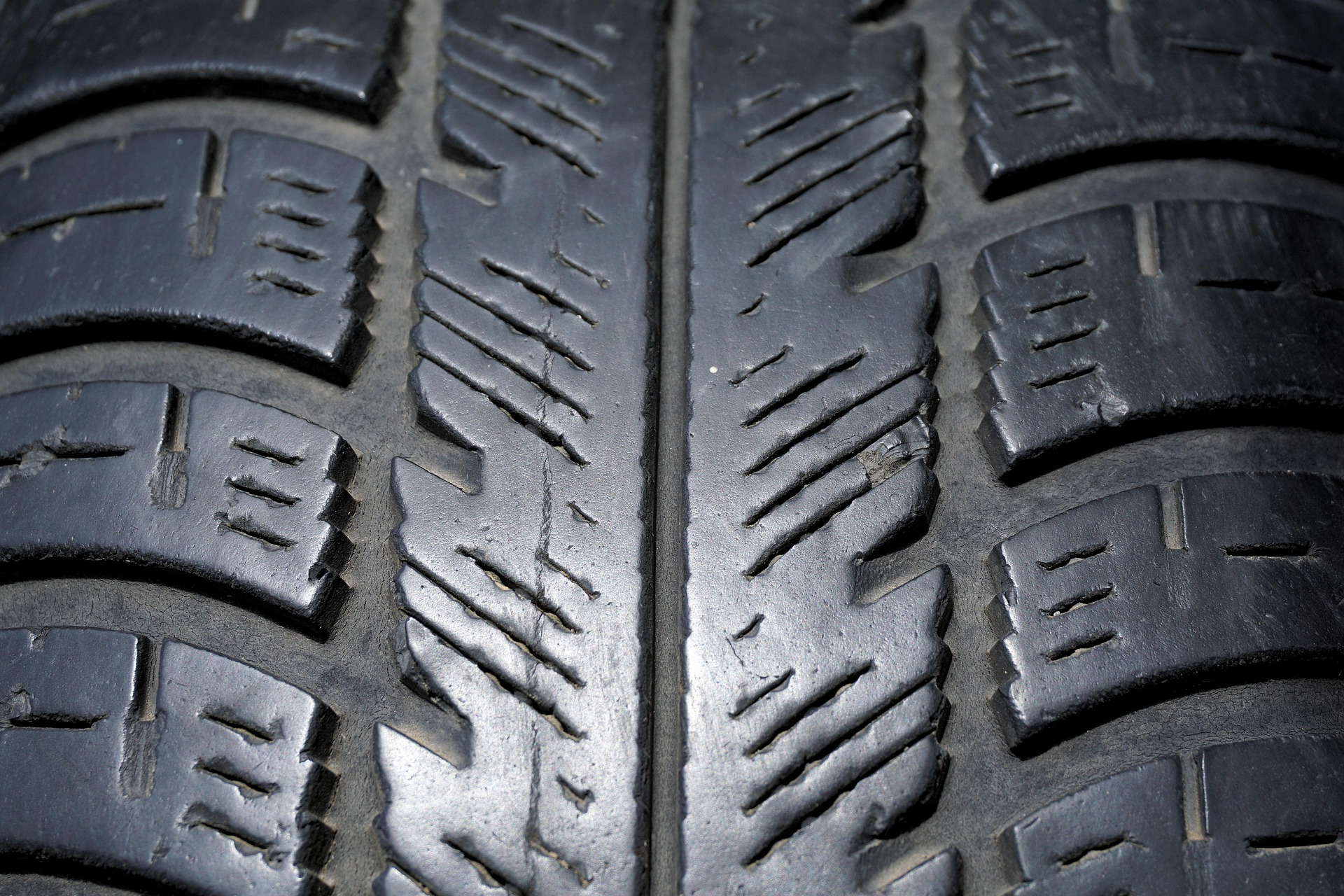
- Uneven tyre wear across the tread
- After hitting a pothole, kerb, or road hazard
- When you install new tyres
- Every 10,000 km or at least twice a year
How Do I Know if I Need a Wheel Alignment?
If you’re unsure whether you need a wheel alignment, look out for these common signs:
- Vehicle pulls or drifts to one side
- Vibrations in the steering wheel
- Uneven or rapid tyre wear
- Squealing tyres while turning
- Steering wheel not returning easily to centre after a turn
These symptoms can indicate wheel misalignment. Booking a wheel alignment check helps protect your tyres and reduce strain on suspension components like ball joints.
The Wheel Alignment Process
A proper wheel alignment uses advanced aligning equipment to measure and adjust key suspension angles:
- Toe – the angle your tyres point inwards or outwards when viewed from above
- Camber – the tilt of the tyre in or out when viewed from the front
- Caster – the angle of the steering axis, which affects stability and steering
- Ride height – the vehicle’s height can affect alignment and should be measured before adjustments
Skilled mechanics, tyre fitters use digital aligning equipment to make these adjustments, ensuring proper wheel alignment and maximum tyre life.
How Much Does a Wheel Alignment Cost?
The cost of a wheel alignment can vary depending on the type of vehicle and the location of the service. On average, a wheel alignment for cars in New Zealand can cost between $79 and $119.
While pricing can differ based on what’s included (for example, a front wheel alignment vs a full wheel alignment), a wheel alignment is generally a cost-effective service that can help prevent uneven tyre wear and more expensive suspension repairs in the future.
Wheel Alignment vs Wheel Balancing
Many drivers confuse wheel alignment and wheel balancing, but they’re different services that solve different problems.
Wheel Alignment:
Wheel alignment adjusts suspension angles (toe, camber, caster, and ride height) so the wheels point straight and sit correctly on the road. Proper alignment helps prevent pulling and uneven tyre wear, and it supports safer handling.
Wheel Balancing:
Wheel balancing evens out the weight distribution of the wheel and tyre assembly. Proper balancing helps prevent steering wheel vibrations at higher speeds and improves ride comfort.
Both are important. Proper wheel alignment improves handling and extends the life of your tyres, while wheel balancing makes for a smoother, vibration-free ride.
Benefits of Getting Your Wheels Aligned
Regular wheel alignment offers multiple benefits, including:
- Prevents uneven tyre wear
- Extends the life of your tyres
- Improves fuel efficiency
- Provides better handling and safety
- Protects suspension parts like ball joints and bushings from excess stress
- Saves money by reducing the risk of costly repairs
Key Takeaway
Wheel alignment is a crucial aspect for maintaining your vehicle’s performance and safety by preventing excessive wear and tear on tyres and suspension. It also ensures proper driving and handling. Promptly check alignment if you notice any issues. It is a cost-effective way to prevent expensive repairs. Keep an eye on wheel balancing, road hazards, and tyre wear so your car runs smoothly and safely.
Happy Motoring!