When it comes time to fit tyres on your car, you’ll notice a heap of numbers and letters on the tyre sidewall. Two of the most important are the tyre speed rating and the tyre load rating. But what do they actually mean? And why should you care?
Let’s break it down in plain, simple English so you can feel confident when buying your next set of tyres.
What is tyre load rating?
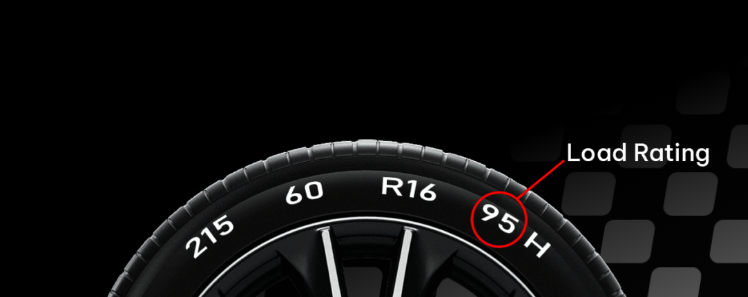
The tyre load rating (also called the load index) tells you the maximum weight a tyre can safely carry when it’s at the correct tyre pressure.
Think of it as the tyre’s strength. The higher the load rating, the more weight that tyre can handle.
For example:
- A load index of 91 means each tyre can carry up to 615kg.
- A load index of 95 bumps that up to 690kg.
If you’ve got a bigger vehicle like an SUV, ute, or van, you’ll usually need tyres with a higher load rating to safely handle the extra weight. Using tyres with a lower load rating than recommended is dangerous, it can lead to blowouts, poor handling, and even failing your WOF.
You can check your car’s recommended load index in the owner’s manual or on the sticker inside the driver’s door.
What is tyre speed rating?
The tyre speed rating shows the maximum speed a tyre is designed to handle safely. This doesn’t mean you should drive at that speed (we’re looking at you, open-road speedsters). It’s about how well the tyre performs under heat and pressure at higher speeds.
Speed ratings are shown as letters like H, V, or W.
Here’s a quick example:
- H = up to 210 km/h
- V = up to 240 km/h
- W = up to 270 km/h
Most everyday Kiwi cars don’t need super high speed ratings but fitting tyres with too low of a rating can affect safety and handling.

What’s the difference between speed rating and load rating?
The load rating is about how much weight the tyre can carry, while the speed rating is about how fast it can safely go.
Think of it like this:
- Load rating = strength
- Speed rating = stamina
Both works together to keep your car safe. A tyre with a great load capacity but a low speed rating isn’t ideal for high-speed driving, and the reverse is just as bad.
Why are tyre speed and load ratings important?
These ratings aren’t just random numbers — they’re vital for safety.
Here’s why:
- They ensure your tyres can handle the weight of your car, passengers, and gear.
- They make sure your tyres stay stable at higher speeds on the motorway.
- They affect handling, braking, and fuel efficiency.
- Choosing the wrong ratings can void warranties, lead to WOF fails, and increase the risk of accidents.
Using the correct load and speed ratings is also a legal requirement in New Zealand.
Where do you find the tyre load rating and speed index?
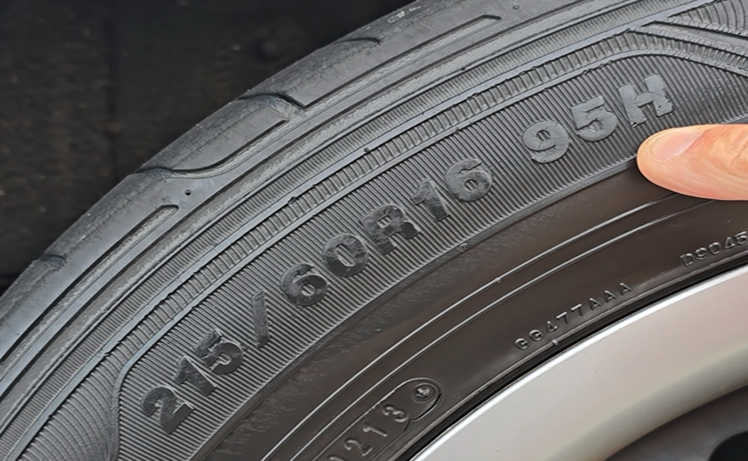
You can find these numbers and letters on the tyre sidewall. For example, you might see something like this: 215/60R16 95H
Here’s what that last bit means:
- 95 = Load index (max weight each tyre can carry).
- H = Speed rating (max speed the tyre can handle).
You can also check your vehicle handbook or the placard inside your driver’s side door for the manufacturer’s recommended ratings.
What’s the best tyre speed index and load rating for my car?
The best ratings depend on your vehicle type, how you drive, and what you carry:
- City cars & hatchbacks: moderate load index and speed rating (like H or V).
- SUVs & 4x4s: higher load index for extra weight and gear.
- Performance cars: higher speed rating for stability at speed.
- Utes & vans: heavy-duty tyres with the highest load ratings.
The safest bet? Always match the ratings recommended by your car’s manufacturer. Going lower on either the load rating or speed rating is unsafe and could cause serious damage — not to mention legal trouble.
Making the Right Choice
Understanding the difference between tyre speed rating and tyre load rating isn’t just for car enthusiasts, it’s for anyone who drives.
By choosing the right tyre size, load index, and speed rating, you’ll keep your car handling smoothly, your passengers safe, and your mind at ease.
If you’re ever unsure, grab your owner’s manual or give a trusted tyre specialist a call.
Because the only thing you should be worrying about on your next roadie is whether to pack extra snacks not whether your tyres are up to the job. Top of Form
Happy Motoring!