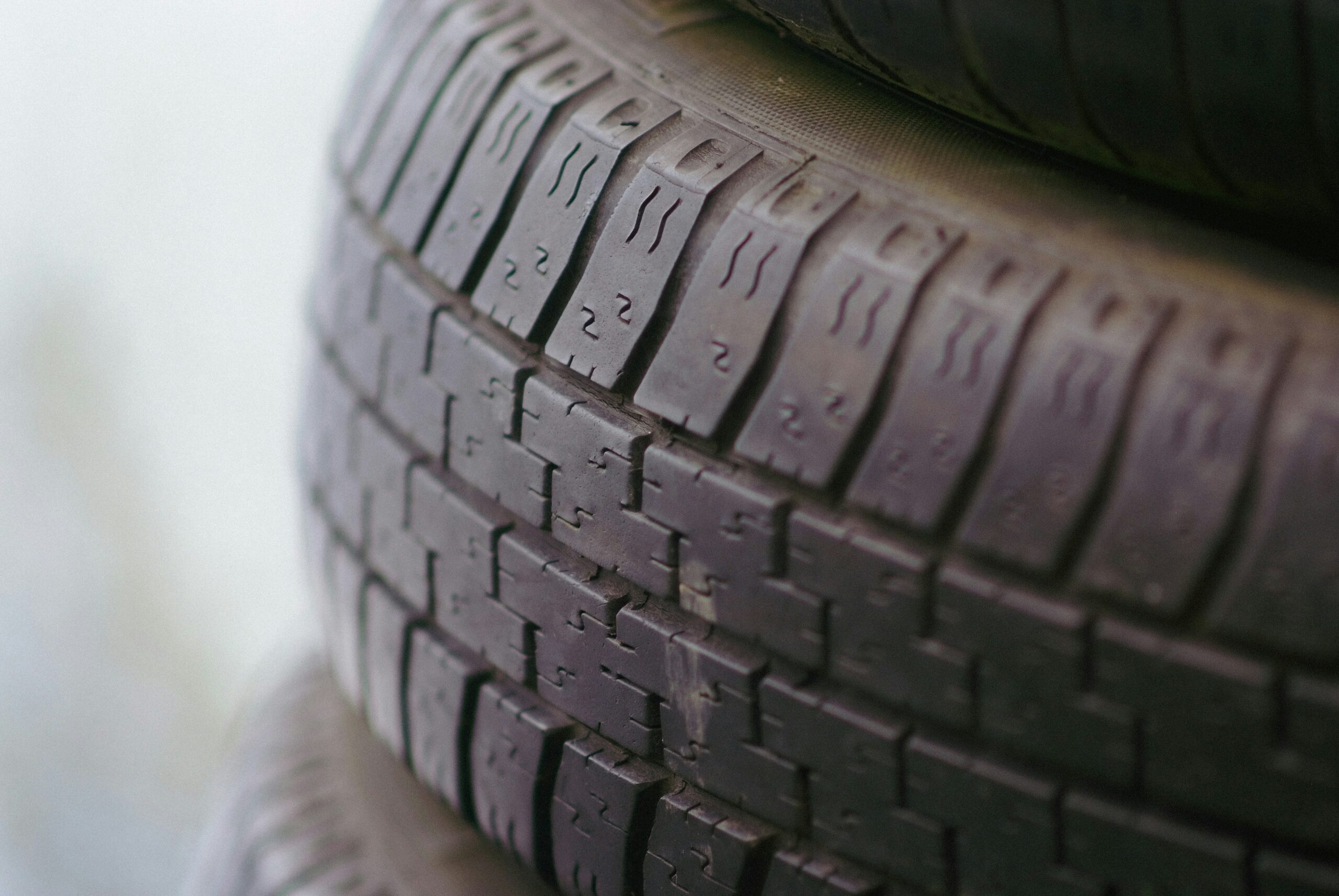
When it comes to road safety, one crucial aspect that often gets overlooked is the condition of your vehicle’s car tyres. Tyres are the only point of contact between your vehicle and the road, making their maintenance a must for your safety and your passengers.
For all the drivers out there, understanding the safety requirements for tyres and why tyre safety matters cannot be stressed enough. In this article, we’ll delve into the key aspects of tyre safety, including the minimum tread depth, tyre pressure, and the importance of regularly checking your tyres tread to keep them in top shape.
Why Tyre Safety is Important
Traction and Control
Adequate tyres tread depth ensures proper traction, especially on a wet road. This means when driving in rainy or slippery conditions, your tyres’ tread patterns grip the surface better, reducing the risk of skidding or hydroplaning. Good tyre condition also contributes to better control and handling, enhancing your ability to navigate corners safely.
In New Zealand, the legal minimum tread depth for car tyres is 1.5mm.
However, experts recommend replacing tyres once the tread depth reaches 3mm for optimal safety and performance.
Braking Distance
Worn-out tyres with low tread depth increase your braking distance. In emergency situations, a few extra metres can make a huge difference in preventing accidents. Maintaining proper grooves and tread depth helps you stop your vehicle more effectively and safely.
Fuel Efficiency
Underinflated tyres increase rolling resistance, causing your vehicle’s engine to work harder and consume more fuel. Keeping your tyres at the correct pressure improves fuel efficiency, saving you money and reducing your carbon footprint.
Ride Comfort
Well-maintained tyres ensure a smoother and more comfortable ride for you and your passengers.
What is Tread Depth and Why It Matters
Tread depth is the measurement of wear on a tyre’s surface and is essential for safe driving. Your tyre tread works to channel water away from the tyres, maintaining grip on wet roads and reducing the chance of aquaplaning.
The principal grooves and tread are designed to provide grip and control, while secondary grooves assist with extra water dispersion. As tyres wear out during the service life of the tyre, these grooves in the tyre become shallower, reducing safety and increasing the risk of accidents.
Tyre Requirements in New Zealand
To keep your vehicle roadworthy and safe, there are clear tyre requirements in New Zealand you must follow:
- Legal Tread Depth: The minimum tread depth required for car tyres is 1.5mm. For best safety, replace tyres once the grooves and tread depth reach 3mm.
- Tyre Pressure: Proper tyre pressure is crucial for safe handling, smooth rides, and fuel efficiency. Underinflated tyres reduce control and increase blowout risks, while overinflated tyres decrease traction and ride comfort. Always regularly check your tyre pressure before long trips.
- Tyre Damage: Regularly inspect tyres for visible damage such as cuts, bulges, cracks, or punctures. Any damage can compromise structural integrity, leading to blowouts. If damaged, have the tyre inspected by a professional immediately.
How Much Tread Should a Tyre Have?
The tread depth required plays a key role in your car’s performance. If the grooves are the wide and worn past the legal limit, you must replace your tyres. Shallow tread reduces grip, making it harder to stop and increasing your risk in wet or slippery conditions.
How to Check Your Tread Depth:
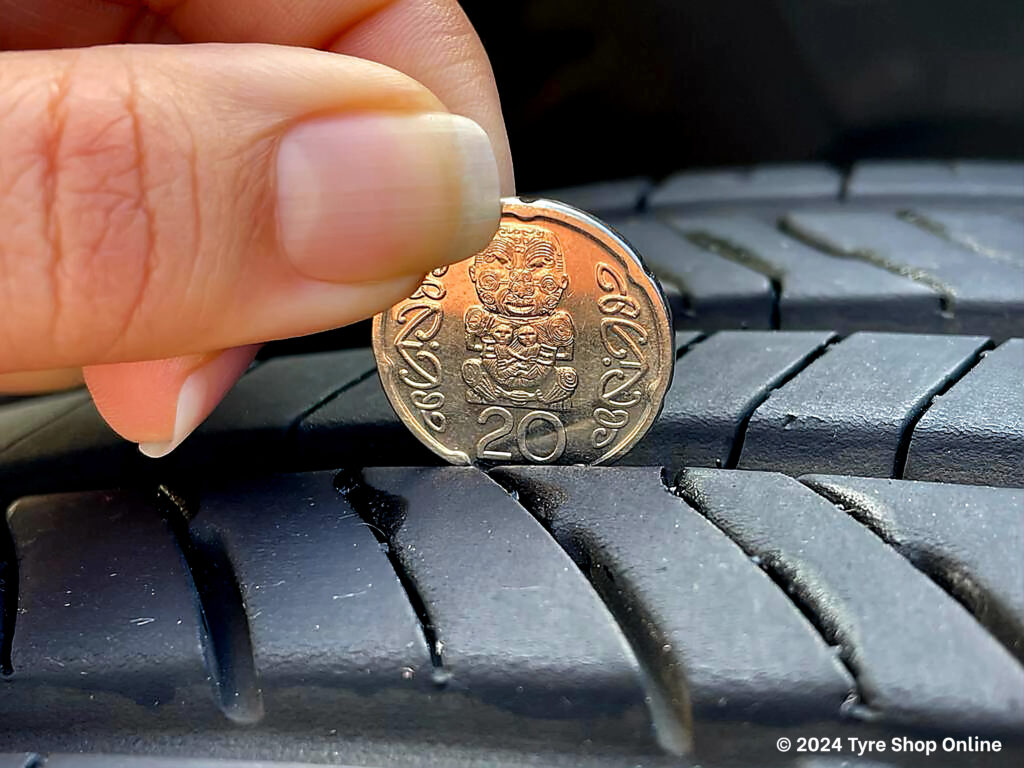
Option 1: 20-Cent Coin Test
- Park your car on a flat, stable surface.
- Insert a New Zealand 20-cent coin into the principal grooves and tread with the “20” facing you.
- If you can see the entire number “20,” your tread depth is 2mm or less, replace your tyres soon.
Option 2: Tread Depth Gauge
- Place the probe of a tread depth gauge into the grooves in the tyre.
- Hold the gauge straight to ensure an accurate reading.
- Compare the reading to the minimum tread depth required of 1.5mm.
Option 3: Locate Tread Depth Indicators
Look for raised bars inside the grooves are secondary. If the tyre surface is level with these bars, the tyre has worn out and must be replaced. Many tyres have moulded tread wear indicators.
Option 4: Check Multiple Points
Check multiple spots on each tyre to detect uneven wear. Uneven patterns may indicate alignment or balancing issues that need professional attention.
Key Takeaways
As a responsible driver in New Zealand, prioritising tyre safety is a mix of meeting the legal limit and taking proactive steps to keep everyone safe. Regularly check your tyres for moulded tread depth, pressure, and damage.
These habits will:
- Extend tyre life,
- Improve performance,
- And prevent costly accidents.
By keeping tyres above the minimum tread depth and replacing them before they reach dangerous levels, you’ll drive with greater control and confidence, no matter the weather.
Need tips on how to extend the life of your tyres? Read our complete guide to tyre longevity.